Department of B.Com. (Honours) Memorandum of Understanding Signed at SLCS College

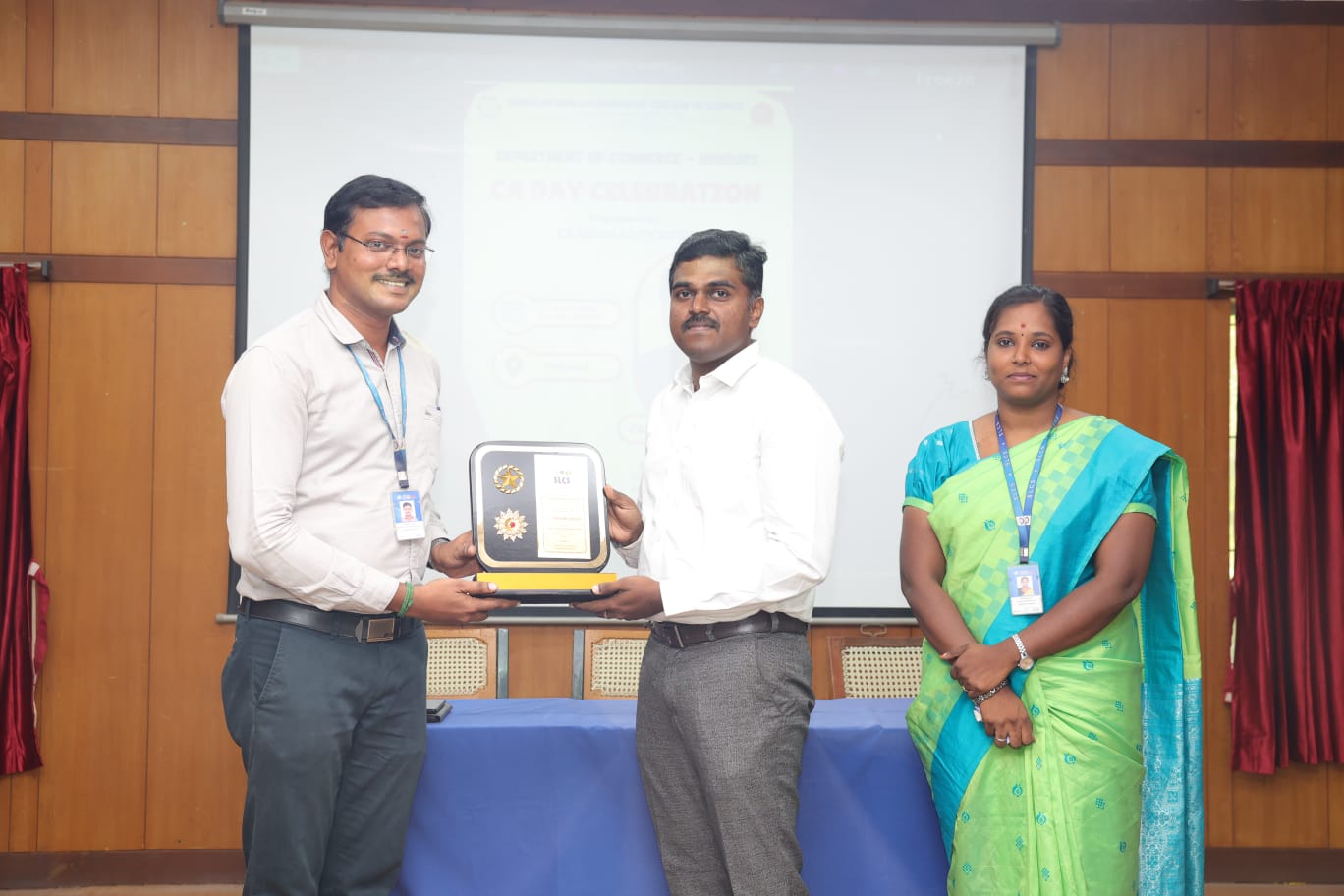
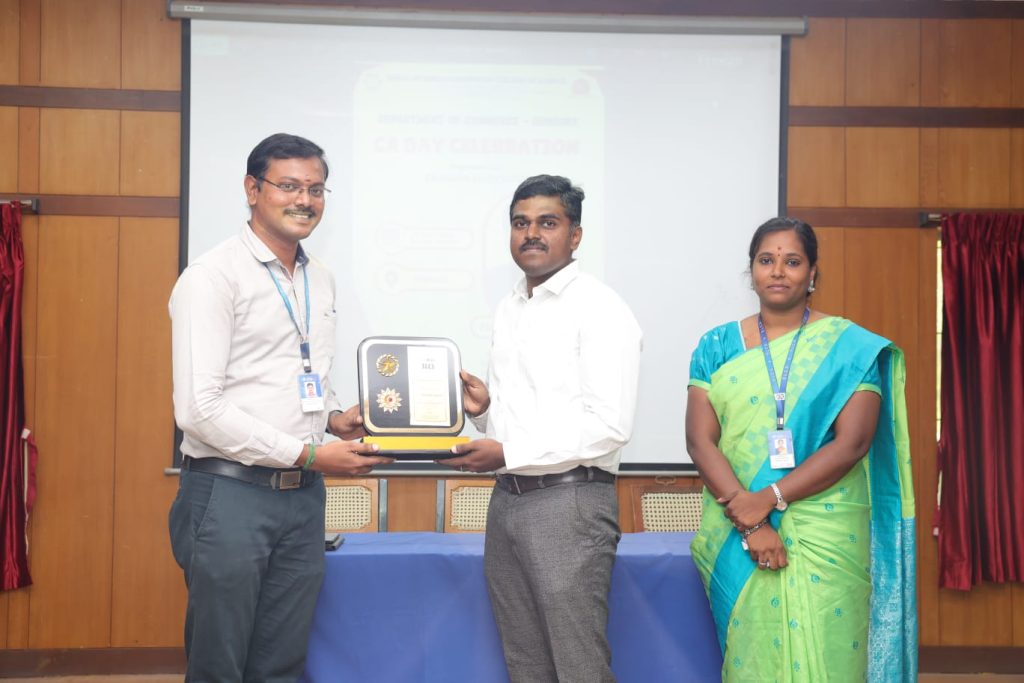
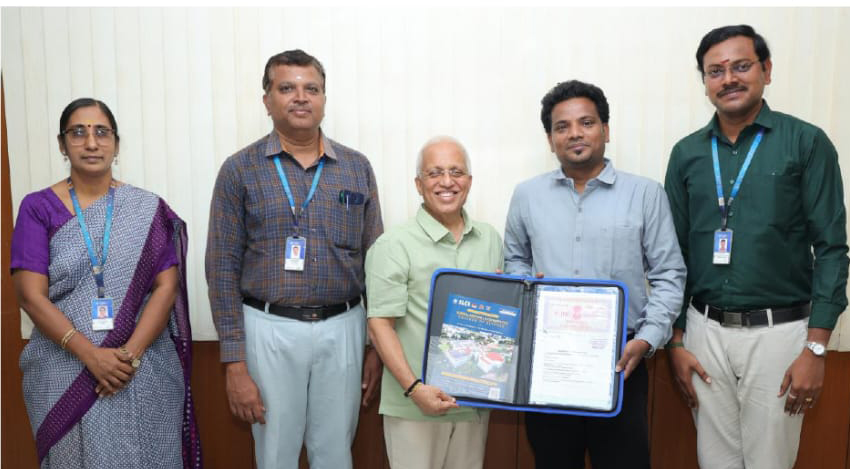
A Memorandum of Understanding (MoU) was signed between the B.Com (Honours) Department of Subbalakshmi Lakshmipathi College of Science and S.N. Auditor Associates, Chennai, to provide coaching for CA Foundation and Intermediate courses.

The event was attended by College Secretary Dr. Ramasubbu, S.N. Auditors Associates Executive CA Nagaraju, Vice Principal Gurubaskar, Dean Priya, College and Head of the Department Selvaraj.

Under this agreement, students will receive structured training for the CA Foundation and Intermediate examinations. Regular model tests will also be conducted alongside full-time classes to help students successfully clear the Chartered Accountant examinations.

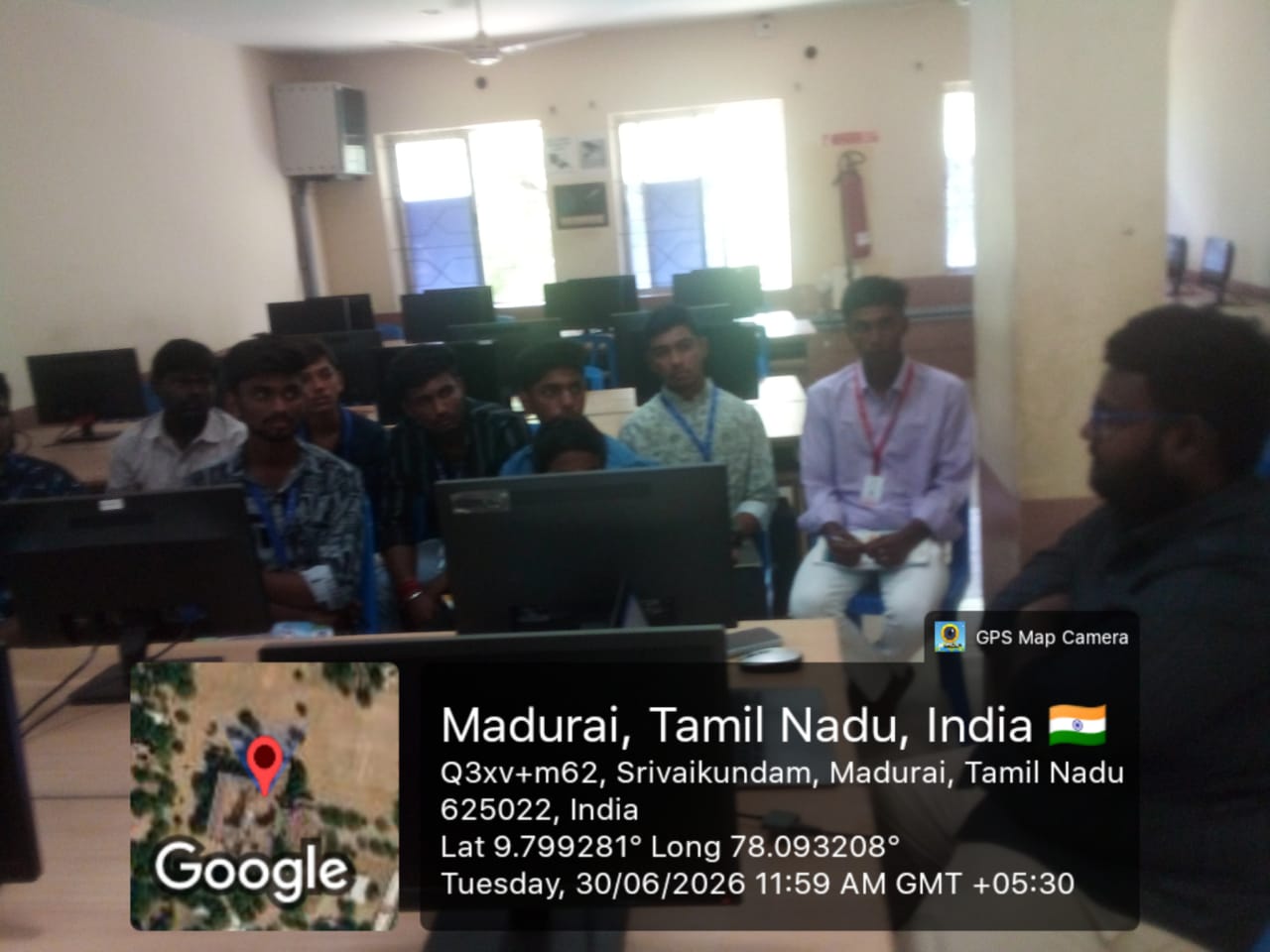
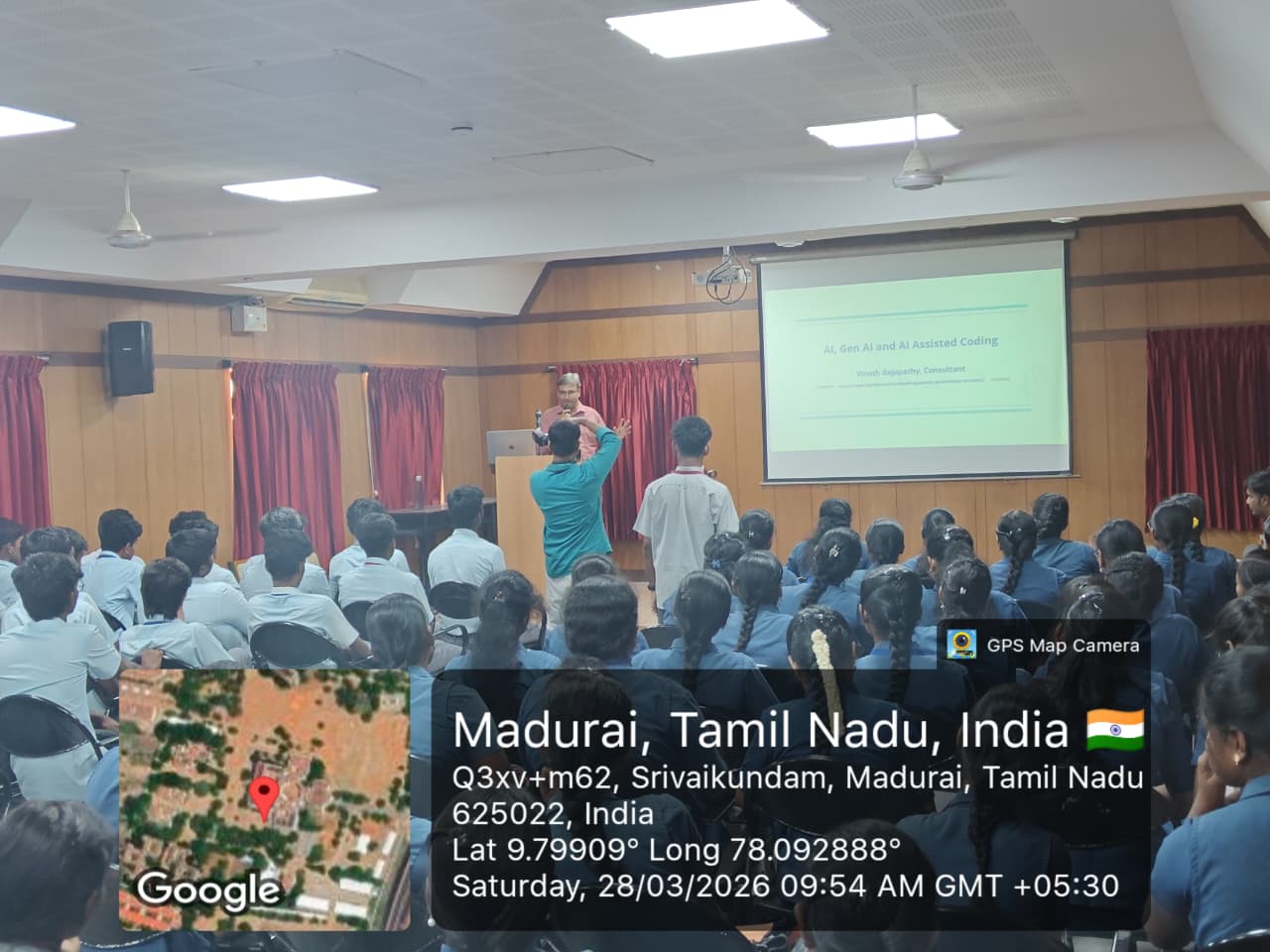
Impact of AI and Generative AI on Technology Domains and Entry-Level Careers

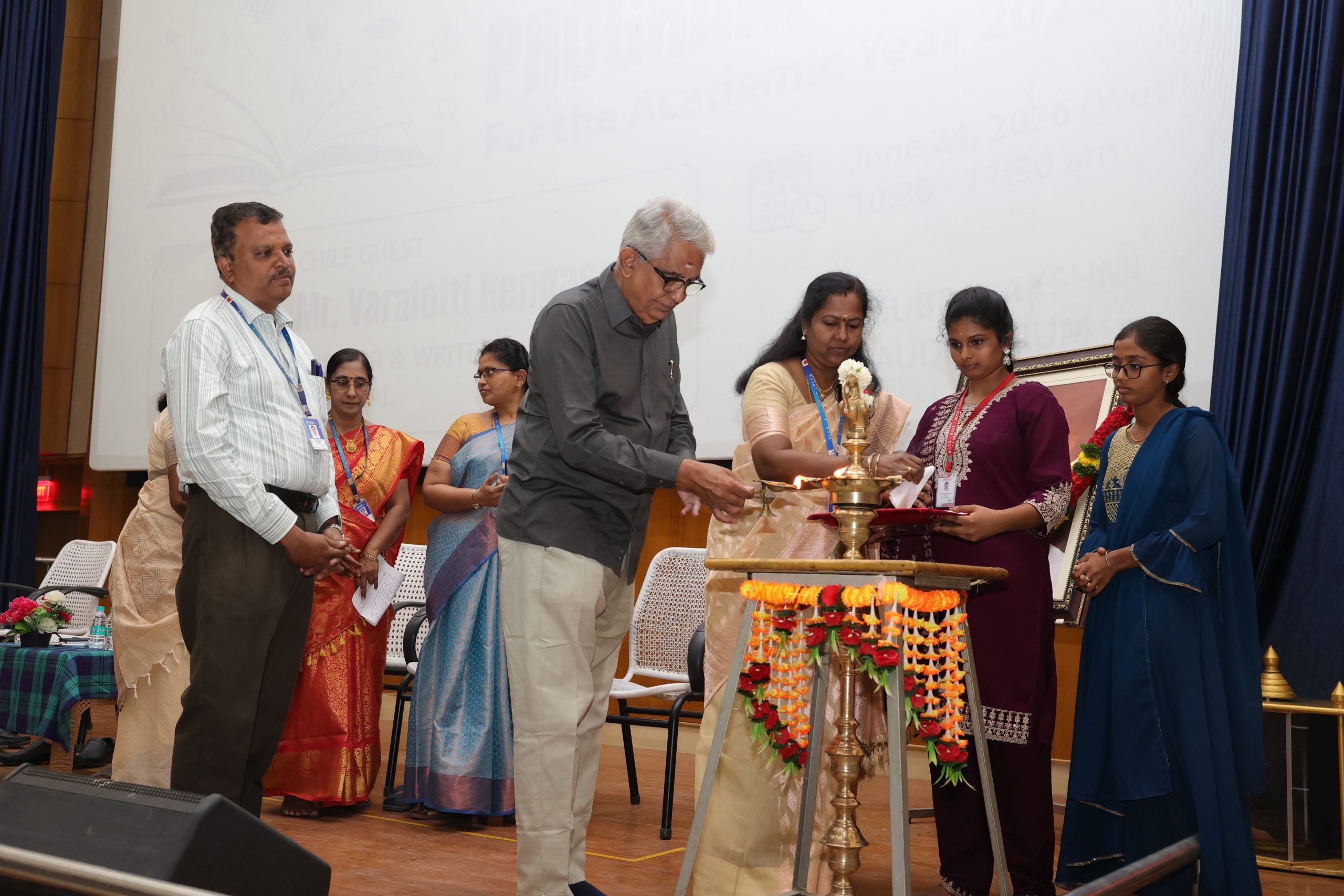
The program started with the Prayer Song followed by the Welcome address and Chief Guest Introduction by Mr Christopher Xavier J, Placement Officer.

Ms Varshini II B.Sc., Security Systems read the introductory note and Ms Atshayaa II B.Sc., Security Systems set the context of the seminar.

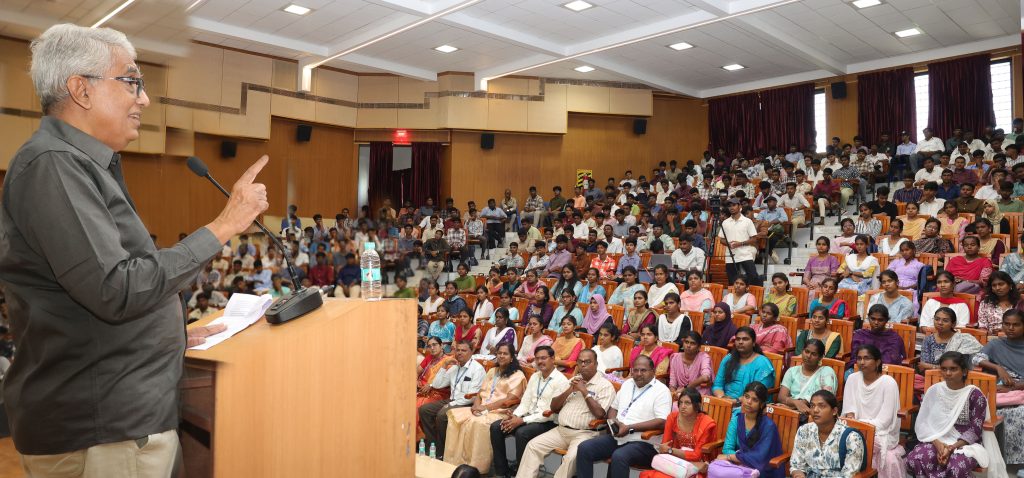
The gist of the resource person’s address is as follows.

Impact of AI and Generative AI on Technology Domains and Entry-Level Careers

Artificial Intelligence (AI) and Generative AI (Gen AI) are transforming industries at an unprecedented pace. Their influence extends across Data Science and Analytics, Cyber Security, Networking, and the job market—especially for fresh graduates entering these fields.

1. Impact on Data Science and Analytics
AI and Gen AI have automated many core data science tasks such as data cleaning, visualization, and model building. Tools can now generate insights from datasets using natural language queries, reducing the need for manual coding and complex statistical processes. Gen AI also enables synthetic data generation, which helps in training models when real-world data is limited. While this increases efficiency and accessibility, it also raises expectations for data professionals to focus more on critical thinking, domain expertise, and interpreting results rather than just technical execution.

2. Impact on Cyber Security
In cyber security, AI strengthens defense mechanisms by detecting anomalies, identifying threats in real time, and automating responses. Gen AI can simulate cyberattacks, helping organizations test and improve their security systems. However, cybercriminals also use AI to create advanced phishing attacks, malware, and deepfakes. This creates a continuous cycle of innovation between attackers and defenders. Professionals in this field must now understand AI-driven tools and be prepared for rapidly evolving threat landscapes.

3. Impact on Networking
AI is making networks smarter and more autonomous. It helps in predicting network failures, optimizing traffic flow, and automating configurations. In modern infrastructures like cloud and 5G, AI-driven systems can self-heal and adapt to changing conditions. Gen AI assists network engineers by generating configurations, troubleshooting steps, and documentation, reducing manual effort and improving efficiency.

4. Impact on Entry-Level Jobs
AI and Gen AI have significantly altered the landscape for entry-level roles. Tasks that were traditionally assigned to freshers—such as basic data analysis, routine coding, monitoring systems, and writing simple scripts—are increasingly being automated. This reduces the number of purely entry-level roles and increases the demand for candidates with advanced, practical, and interdisciplinary skills. Employers now expect freshers to have hands-on experience, problem-solving abilities, and familiarity with AI tools.

5. Challenges Faced by Freshers
Fresh graduates face several challenges due to AI adoption:

Increased competition: AI tools allow experienced professionals to do more work faster, reducing hiring needs.
Skill gap: Academic knowledge alone is no longer sufficient; practical skills and tool familiarity are essential.
Rapid technological change: Keeping up with evolving AI technologies can be overwhelming.
Higher expectations: Employers seek candidates who can add value beyond basic tasks, such as critical thinking and innovation.
6. Importance of AI-Assisted Coding
AI-assisted coding tools are becoming essential in modern software development. They can generate code, suggest improvements, detect bugs, and provide real-time explanations. This significantly speeds up development and improves code quality.

For freshers, AI-assisted coding offers several advantages:

Faster learning: It helps beginners understand coding concepts through instant feedback and examples.
Improved productivity: Freshers can complete tasks more efficiently and handle complex problems with guidance.
Skill enhancement: Exposure to best coding practices and optimized solutions improves overall competence.
Confidence building: With AI support, freshers can contribute effectively even with limited experience.
AI and Gen AI are reshaping both technology domains and the job market. While they bring efficiency and innovation, they also create challenges for entry-level professionals. Freshers must adapt by continuously learning, developing practical skills, and leveraging tools like AI-assisted coding to remain competitive and relevant in an evolving digital landscape.


There was an exclusive Q & A session, where the students interacted with the resource person to get clarity on the issues like layoffs and other developments that are coming up in the industry. Ms Hari Priya II B.Sc., Security Systems gave vote of thanks and the program was over with the National Anthem.


INTERNAL QUALITY ASSURANCE CELL AND CURRICULUM DEVELOPMENT CELL

INTERNAL QUALITY ASSURANCE CELL AND CURRICULUM DEVELOPMENT CELL


SEMINAR ON INDIAN KNOWLEDGE SYSTEMS (IKS)


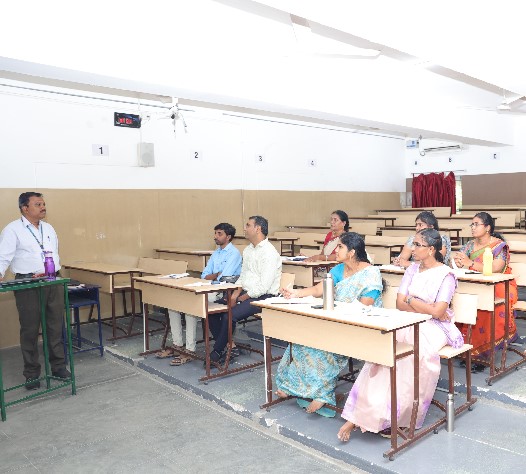
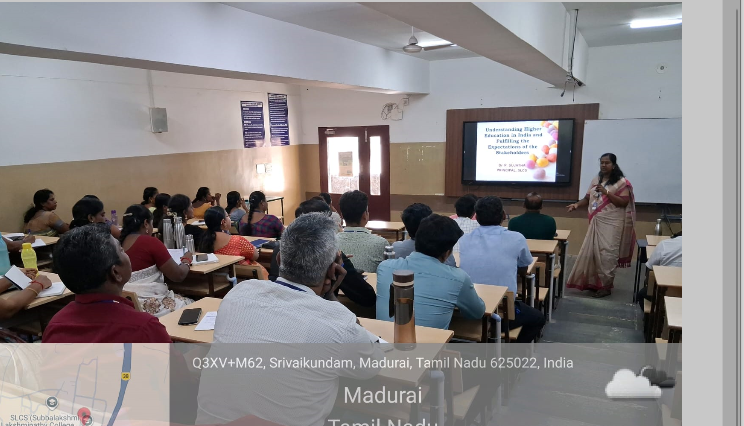
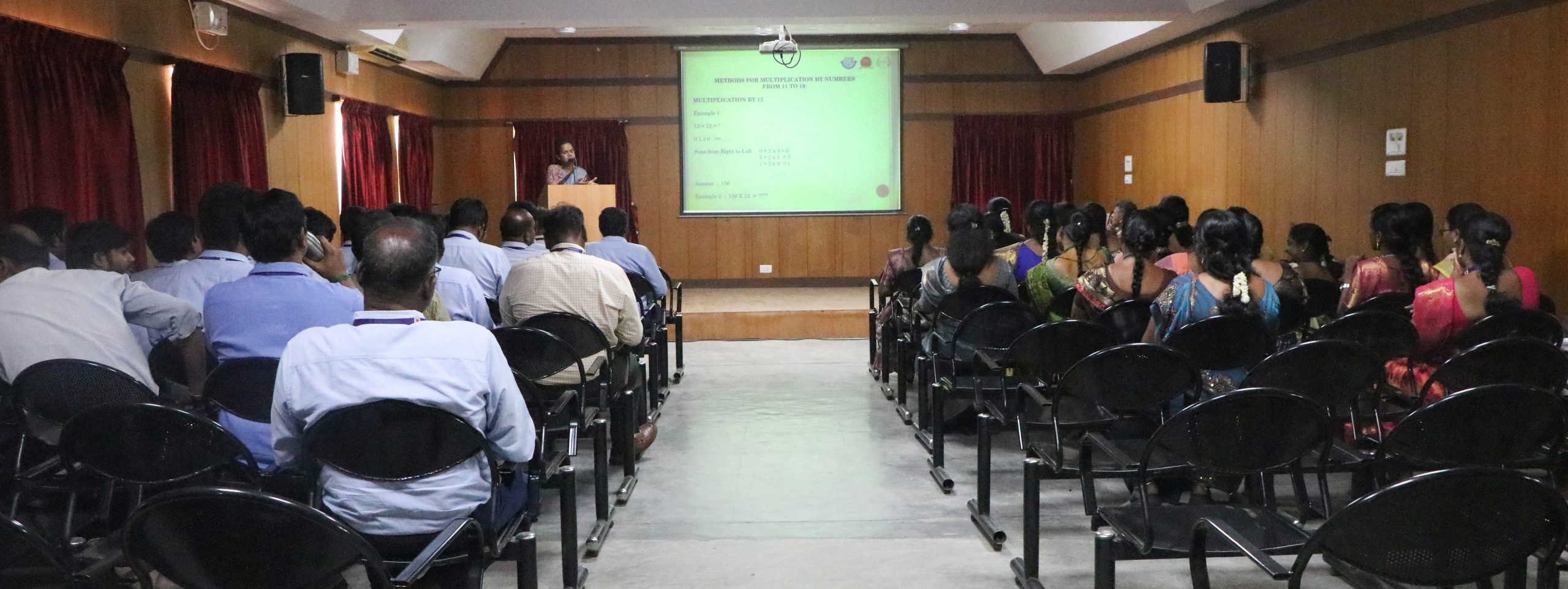
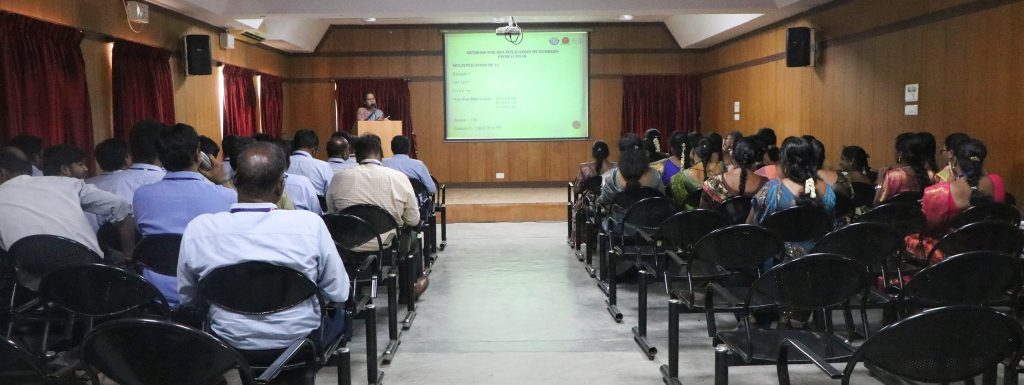
The seminar on Indian Knowledge Systems (IKS) was held on April 02, 2026, at Subbalakshmi Lakshmipathy College of Science, Madurai. It was organized by the Internal Quality Assurance Cell (IQAC) and the Curriculum Development Cell (CDC). The program started by 03:00 PM in TVR Hall. The speakers were Dr. M. Subramanian, Director of MBA, RLIMS, and Mrs. N. Anuradha, Head of the Department cum Assistant Professor of Computer Science, SLCS. They explained that IKS encompasses multiple disciplines that are rooted in ancient texts such as vedhas and upanishads with various examples. The techniques of framing syllabi were also shown by the resource persons.


Around 53 faculty members from different departments attended the seminar. The faculty members showed good spirit and wanted to learn how Indian Knowledge Systems can be used in teaching and research in today’s scenario.


The strong attendance made the seminar successful. It showed that the faculty are eager to connect old knowledge with new ideas. The event also helped the college to follow the goals of the National Education Policy (NEP 2020).

FinTech Horizons: Innovation, Inclusion, and Digital Transformation


The Curriculum Development Cell of SLCS organized a Seminar on Emerging Financial Technologies (FinTech) along with an Intercollegiate Paper Presentation on 21st February 2026 at the college premises.

The seminar was conducted under the theme “FinTech Horizons: Innovation, Inclusion, and Digital Transformation.” The event aimed to provide a vibrant academic platform for students, research scholars, and faculty members to explore emerging trends in financial technologies, digital banking, blockchain, fintech innovations, financial inclusion, and digital transformation.

The program commenced with a warm welcome address delivered by the Convenor, Mrs. V. Padmavathy, HoD – B.Com. Banking & Insurance. The dignitaries present included the respected Secretary Dr. L. Ramasubbu, Principal Dr. R. Sujatha, Vice Principal Dr. T. Gurubasker, Dean Academics Dr. S. Priya (Coordinator – Curriculum Development Cell), faculty members, and participants from various colleges.

The highlight of the seminar was the keynote address by Dr. M. Subramanian, Director – MBA, RLIMS, an eminent FinTech and Blockchain Specialist. In his insightful session, he elaborated on the rapid evolution of financial technologies, the role of blockchain in financial systems and the future scope of digital finance. His session was highly interactive and intellectually stimulating, enriching the participants with practical insights and industry perspectives.

The Intercollegiate Paper Presentation witnessed enthusiastic participation from students representing various reputed colleges. The papers were presented under different thematic tracks including:

  • TRACK 1: Digital Payments, UPI & Financial Inclusion
  • TRACK 2: Cybersecurity, Privacy, Risk & RegTech
  • TRACK 3: Artificial Intelligence, Data Science & Emerging Technologies
  • TRACK 4: Blockchain, Cryptocurrency & Digital Assets
  • TRACK 5: FinTech in Logistics, Trade Finance & Supply Chain
  • TRACK 6: Banking, Embedded Finance, Cloud & Financial Systems

The participants showcased innovative ideas, analytical research, and contemporary insights into the FinTech ecosystem. The evaluation was carried out by a panel of experts based on originality, research depth, presentation skills, practical relevance, and clarity of concepts. This academic Intercollegiate presentation , conducted for the first time at the undergraduate (UG) level, marks a significant milestone in our institution’s academic journey. The vision, trust, and steadfast support of our Respected Secretary Sir enabled us to organize and execute this program on a remarkable scale, with the participation of more than 200 presenters.

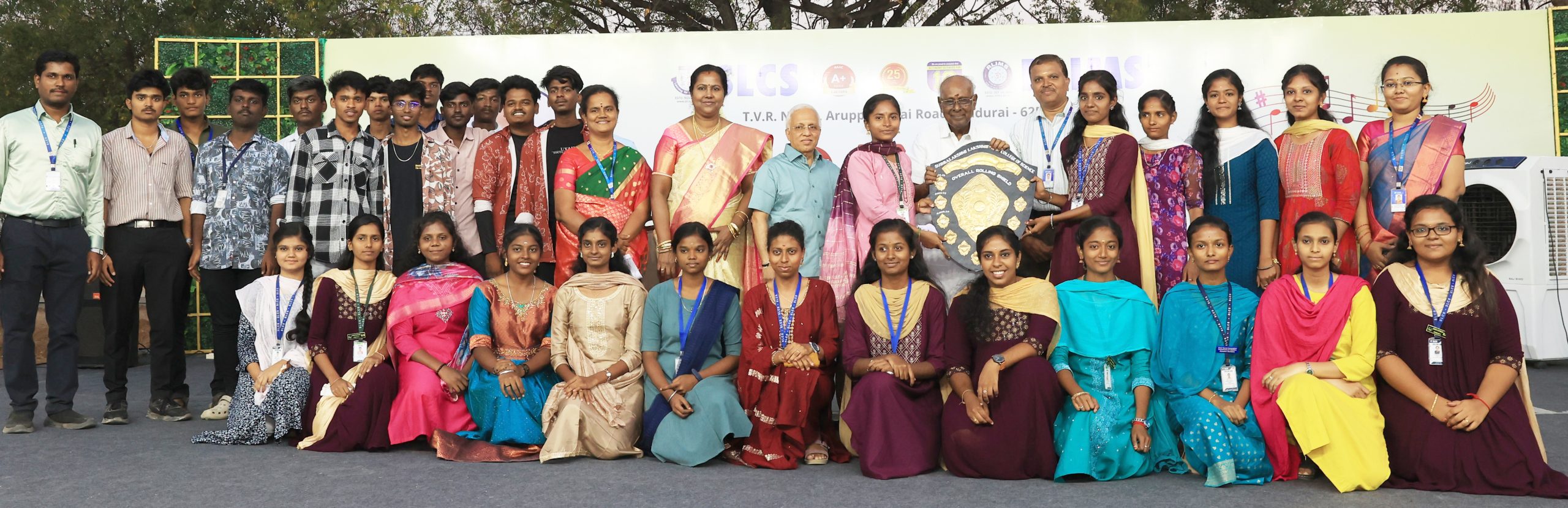
Participants from different institutions secured the Best Paper Award in their respective tracks, bringing diversity and academic excellence to the event. The awardees were appreciated for their scholarly contribution and were presented with certificates.

A PLEDGE-TAKING CEREMONY

On 11th August 2025 at 10:23 a.m., the Anti-Ragging Cell organized a pledge-taking ceremony at SLCS, Madurai. Around 600 students participated and solemnly affirmed their commitment to uphold a ragging-free, safe, and respectful campus environment.

Department of Food science and Processing Management FAGAS Association – 05.07.2025

Department of Food science and Processing Management FAGAS Association – 05.07.2025 On July 5, 2025, The Department of Food Science and Processing Management hosted the inaugural ceremony of the FAGAS association in G13 Hall from 2.15 to 3.30 PM. FoSTaC Food Safety Training and Certification – 25.07.2025 On July 25, 2025, The Department of Food Science and Processing Management organised a program on “FoSTac Food Safety Training and Certification” from 1.00 to 3.30 PM in TVR Hall. Mr. C. Karthi, Certified FoSTac Trainer, Parikshanfsspvt ltd, Chennai wa

NATIONAL VOTER’S DAY

The Electoral literacy club of SLCS commemorated the national voter’s day on 25.01.2022 by taking the pledge as follows.

“We, the citizens of India having, abiding faith in democracy, hereby pledge to uphold the democratic traditions of our country and the dignity of free, fair and peaceful elections, and to vote in every election fearlessly and without being influenced by considerations of religion, race, caste, community, language or any other inducement”.

Totally 15 faculty members participated.