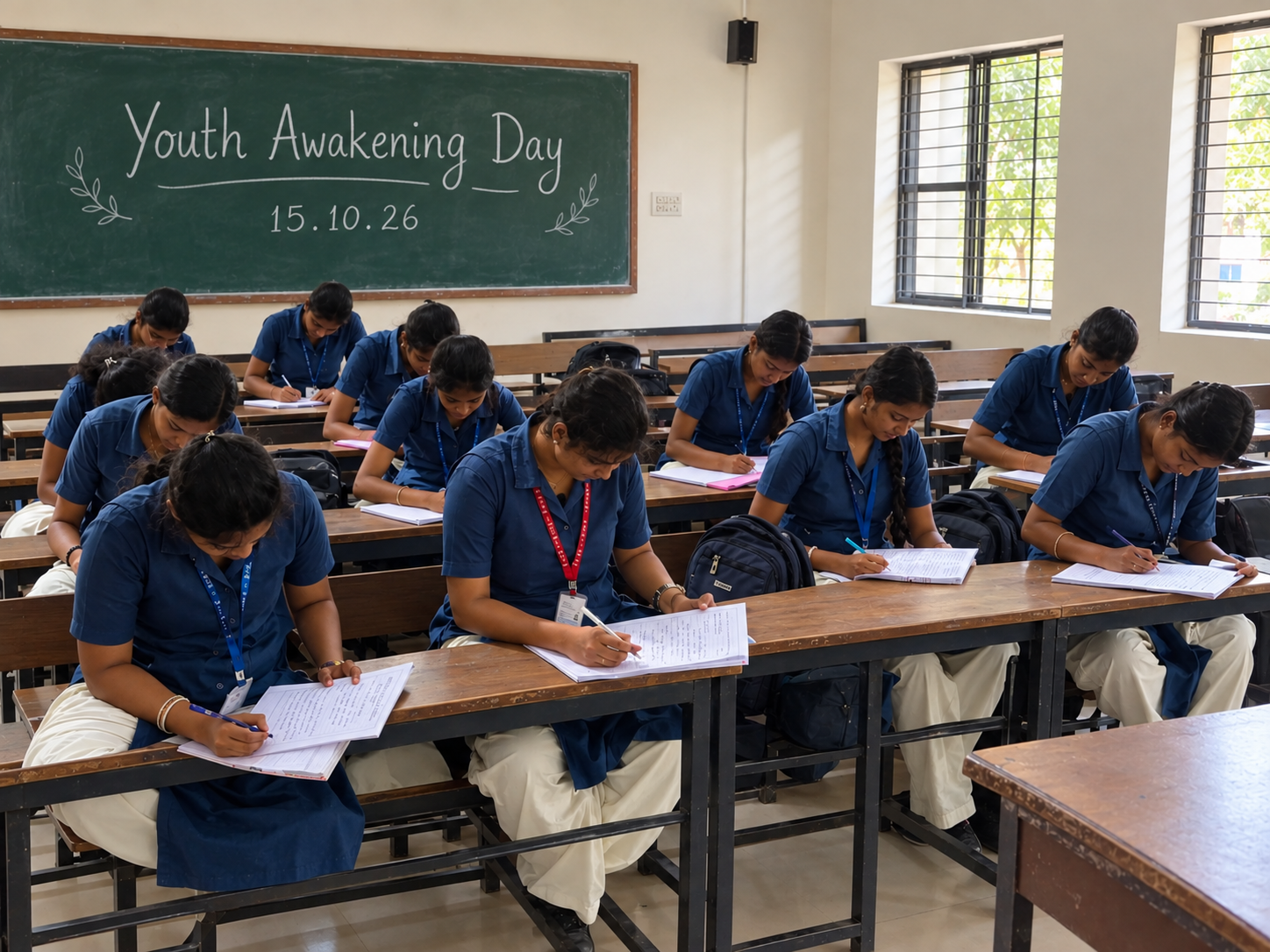
Youth Awakening Day Celebration

Subbalakshmi Lakshmipathy College of Science, Madurai, organised various competitions, including poster making, essay writing, and drawing, on 14 October 2026 to commemorate Dr. A. P. J. Abdul Kalam and celebrate the spirit of Youth Awakening Day. The programme was organised by the National Service Scheme (NSS), Youth Red Cross (YRC), and Red Ribbon Club (RRC) to inspire students to follow the ideals and vision of the former President of India, Dr. A. P. J. Abdul Kalam.

Around 54 students from various departments enthusiastically participated in the competitions and showcased their creativity, knowledge, and artistic talents. The poster-making and drawing competitions provided opportunities for students to communicate meaningful messages through visual art, while the essay-writing competition encouraged them to express their ideas on youth empowerment, education, innovation, leadership, and national development.

The programme aimed to nurture creativity, develop critical thinking, and motivate students to become responsible citizens. It also highlighted Dr. Kalam’s inspiring vision of empowering young minds through knowledge, hard work, discipline, and dedication. His life and achievements served as a source of motivation for students to dream big, pursue their goals, and contribute to the progress of the nation.

The event successfully encouraged students to recognise their potential and uphold the ideals of Dr. A. P. J. Abdul Kalam. The enthusiastic participation of students made the celebration meaningful and inspiring, reinforcing the importance of youth participation in nation-building.
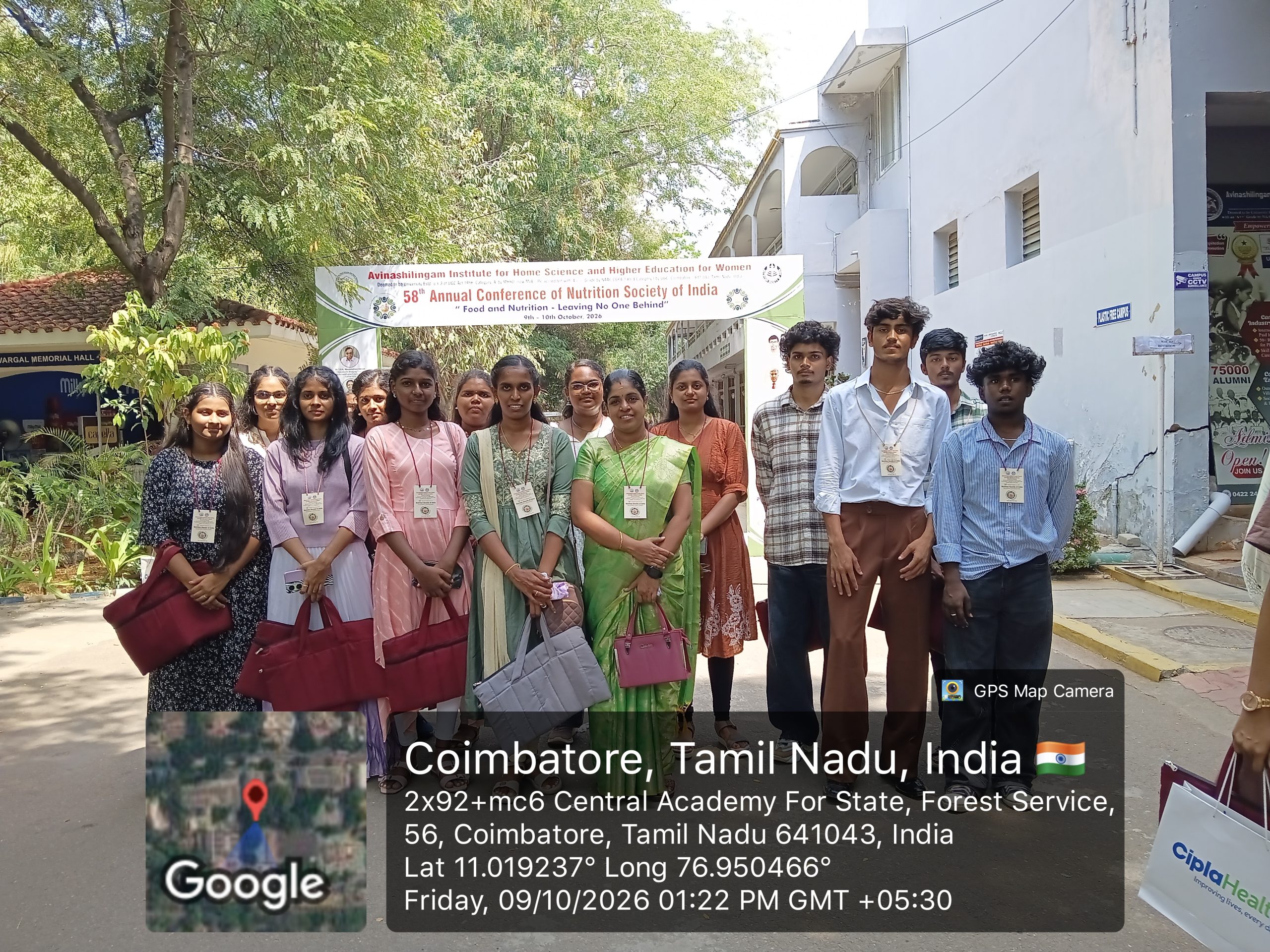
International Conference entitled “FOOD AND NUTRITION – LEAVING NO ONE BEHIND”

The Nutrition Society of India (NSI) organized the 58th Annual Conference at the Avinashilingam Institute for Home Science and Higher Education for Women, Coimbatore on 9th and 10th October and Pre-conference on 8th October. Totally 13 (I, II & III year) students and two faculty members of the department participated in this conference.  Dr.S.Amsamani, the Dean of the School of Home Science, welcomed the gathering. Dr.Sarath Gopalan, President NSI & Sr. Pediatric Gastroenterologist & Hepatologist, Madhukar Rainbow Children’s Hospital, New Delhi delivered the presidential address. Dr.M.Srinivas , Hon’ble member  (Health) of NITI Aayog, Government of India, presented the chief guest address on Bridging Policy and Grassroots Impact, The “Triple Burden” of Nutrition and Vision for Viksit Bharat @2047. Dr. V. Bharathi Harishankar Vice Chancellor of Avinashilingam University, led an engaging discussion on connecting nutrition to India’s National Education Policy (NEP 2020) by assessing Artificial Intelligence (AI) to tract community nutrition equity and population impacts. Dr. G. Bhanuprakash Reddy  Scientist ‘G’ (ICMR-NIN) elaborated on The Indian Knowledge System connecting Traditional Ayurvedic wisdom with evidence-based modern clinical science. 17th Dr. Rajammal P. Devadas Memorial Award Lecture focused on Regional community food interventions. 13th Dr. B.K. Anand Memorial Award  presented  to Dr. Nimmathota Arlappa ( Scientist G and Head, Division of Public Health Nutrition, ICMR – NIN, Hyderabad). The valedictory address delivered by Dr. V. Anuradha, District Designated officer of the Food  Safety Department (FSSAI), Coimbatore. Dr. Sarath Gopalan, President NSI & Sr. Pediatric Gastroenterologist & Hepatologist, Madhukar Rainbow Children’s Hospital, New Delhi and Dr. Subbarao M. Gavaravarapu, Secretary, NSI & Scientist of ICMR-National Institute of  Nutrition, Hyderabad evaluated the organizational activities, budget points and map the road ahead for advancing nutrition science collaborations across its 27 national chapters. Dr. R. Balasasirekha Co-Convenor of NSI Conference 2026 delivered  the vote of thanks to all the dignitaries& participants.

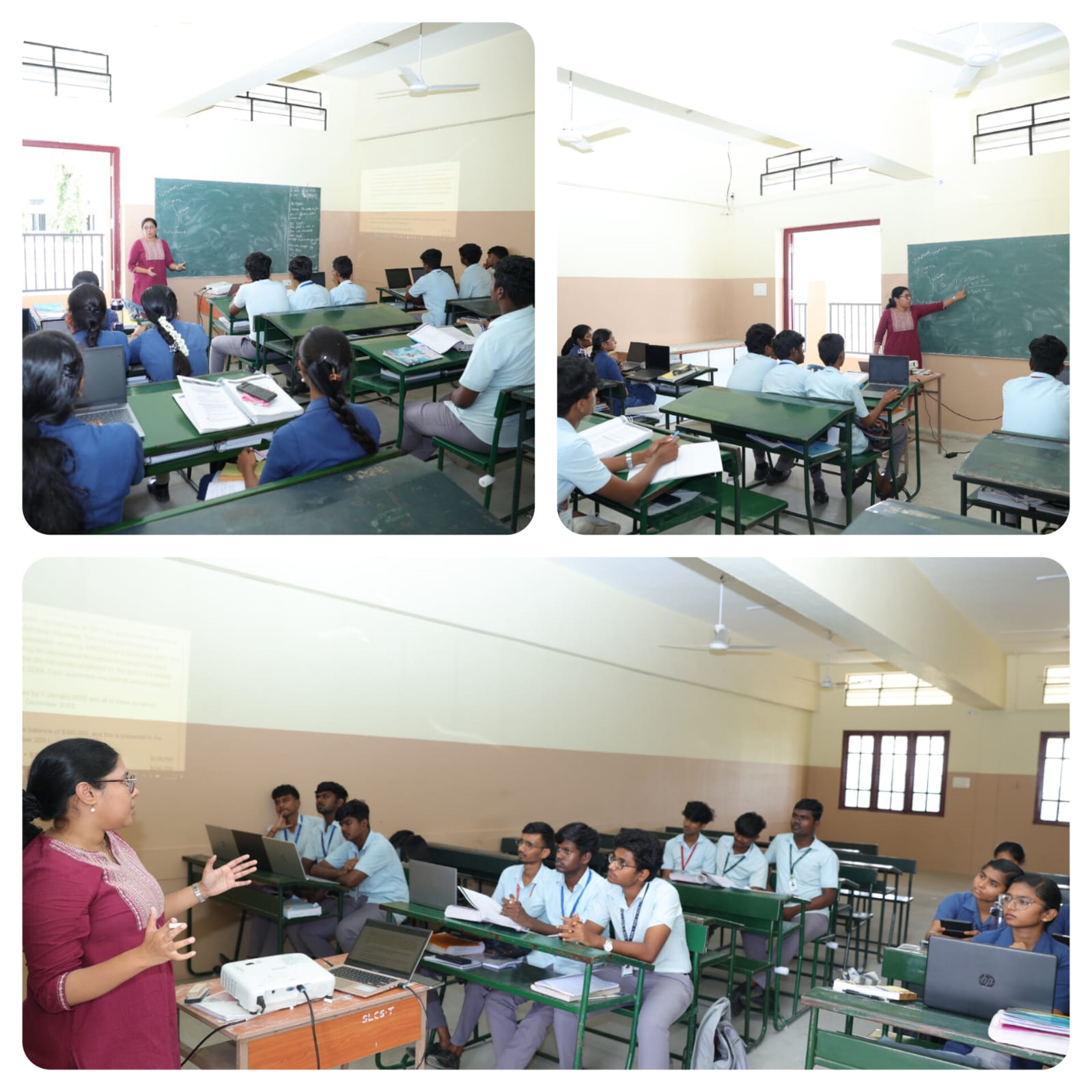
Value Added Course on “Financial Operating Statements” from 05.10.2026 to 09.10.2026

The Department of Commerce (Honours) – ACCA organised a Value Added Course on “Financial Operating Statements” from 05.10.2026 to 09.10.2026 at S6 Hall, Subbalakshmi Block, Subbalakshmi Lakshmipathy College of Science (Autonomous), Madurai, for the II Year B.Com. (Honours) – ACCA students. The sessions were handled by ACCA Nourin Fazal, International Skill Development Corporation (ISDC), Bangalore. The primary objective of the course was to provide students with in-depth knowledge and practical exposure to the preparation, analysis, and interpretation of financial operating statements for effective financial management and business decision-making.The sessions enabled students to understand how financial information can be analysed and interpreted to evaluate business performance, assess the financial health of organisations, and support managerial decision-making. It provided valuable insights into the application of financial information in real-world business situations and helped students develop the knowledge required for effective financial management. The course was a valuable learning
experience for the students, strengthening their understanding of financial operating statements and their significance in business decision-making. A total of 24 students actively participated in the programme and benefited from the knowledge, guidance, and practical insights shared by the resource person.

DSA Association Meeting Report

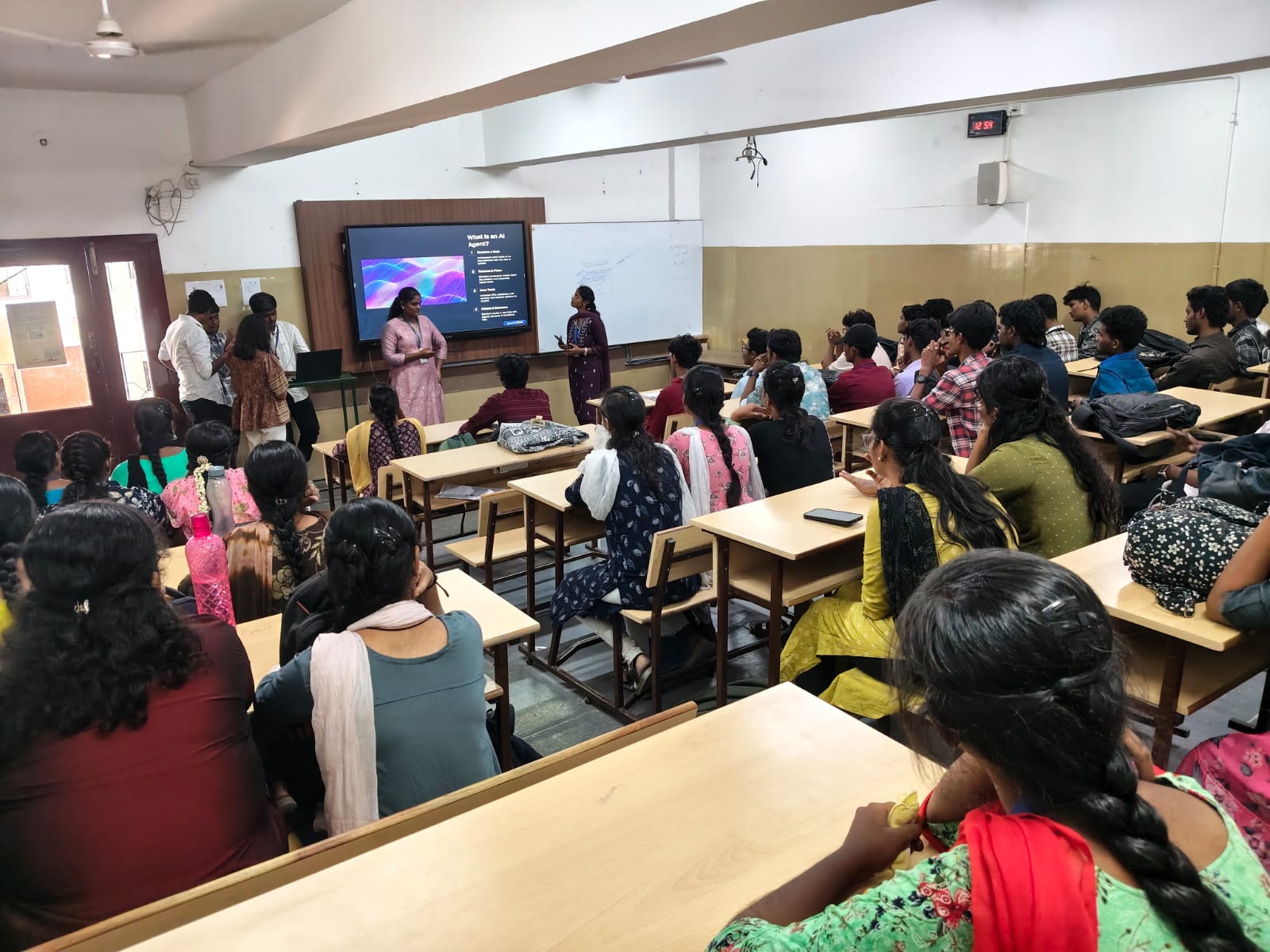
The Department of Computer Science (Data Science & Analytics) and Computer Science Artificial Intelligence & Machine Learning) organized an Association Meeting on 26 September 2026 at the Pallava Hall. The meeting was conducted to provide students with a platform to present on emerging topics in artificial intelligence and technology, enhance their presentation skills, and encourage active participation and peer learning.
The programme commenced with a Welcome Address by S. Sanjeev Kumar. The welcome address set the tone for the meeting and outlined the objectives of the Association Meeting, emphasizing the importance of continuous learning and knowledge sharing among students of the department.
O.S. Aruneshwari and L. Reshmi Vandhana of I CS (DSA) delivered the presentation on Chatbots and AI Agents. They shared valuable insights on the working of chatbots, the role of AI agents in modern applications, and the growing significance of conversational AI in various industries.
M. Muthumeenatchi and S.V. Deepa Akshaya of I CS (AI & ML) presented the next session on Model Collapse. They explained the concept in an informative and engaging manner,  highlighting the challenges that arise when AI models are
trained repeatedly on synthetic data generated by other models.
V. Shahana and S. Sethu Supriya of II CS (DSA) delivered an effective presentation on the Evolution of AI. They traced the development of artificial intelligence from its early foundations to the present day and interacted well with the audience. K. Yuvan Sanjay and J.S. Vinoth of II CS (DSA) presented the final session on Astra AI. They explained the concepts clearly and discussed the features and applications of Astra AI.
Following the presentations, an interactive quiz on “Application of Technology” was
conducted. Students participated enthusiastically and demonstrated their understanding of the topics discussed during the meeting. The quiz created an engaging atmosphere and reinforced the key concepts covered in the presentations.

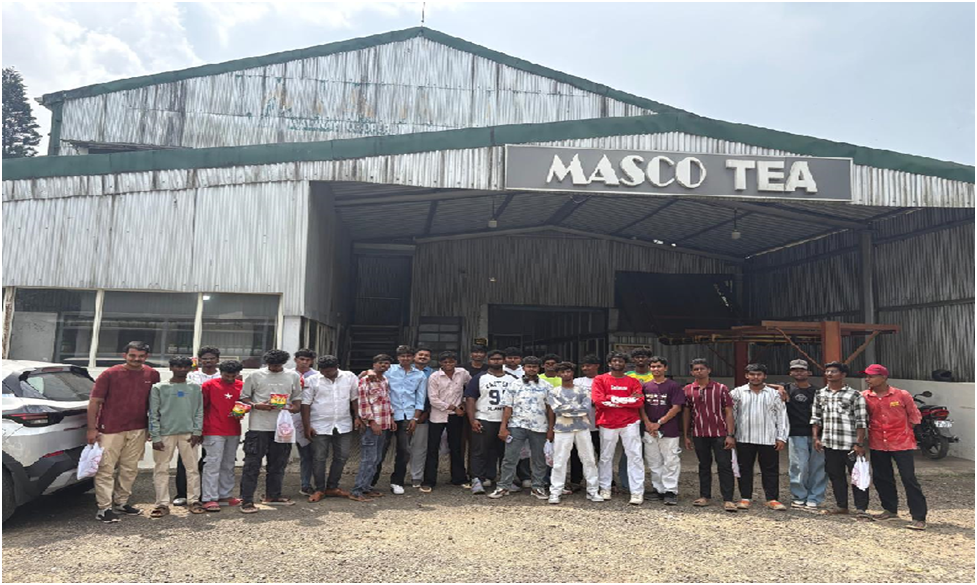
Industrial visit to Masco Tea Estate, Vagamon

An industrial visit to Masco Tea Estate, Vagamon was organized for our Fire and insustrial safety students on October 1 & 2, 2026, with the primary
objective of providing practical exposure to industrial safety implementation
and workplace safety practices.
During the visit, the students observed the various activities carried out in the tea
estate and learned about the importance of maintaining a safe working environment. The staff explained the safety measures followed during tea cultivation, collection, transportation, and processing activities. Students were also made aware of potential workplace hazards and the importance of identifying and controlling risks before carrying out any work.
The visit focused on the proper use of Personal Protective Equipment (PPE), safe handling of equipment and machinery, maintaining cleanliness in the workplace, and following safety instructions. The students learned that workers should use appropriate protective equipment and follow standard safety procedures to prevent accidents and injuries.
The importance of fire safety, emergency preparedness, first-aid facilities,
proper signage, and safe movement within the workplace was also discussed.
Students understood how safety awareness and responsible behaviour can help
reduce workplace accidents. The visit provided practical knowledge about how
safety measures are implemented in an actual industrial environment.
The industrial visit was highly informative and helped the students relate their
academic knowledge to real-life safety practices. It improved their awareness of
hazard identification, risk prevention, PPE usage, emergency response, and
workplace safety management.

Value Added Course on CCNA

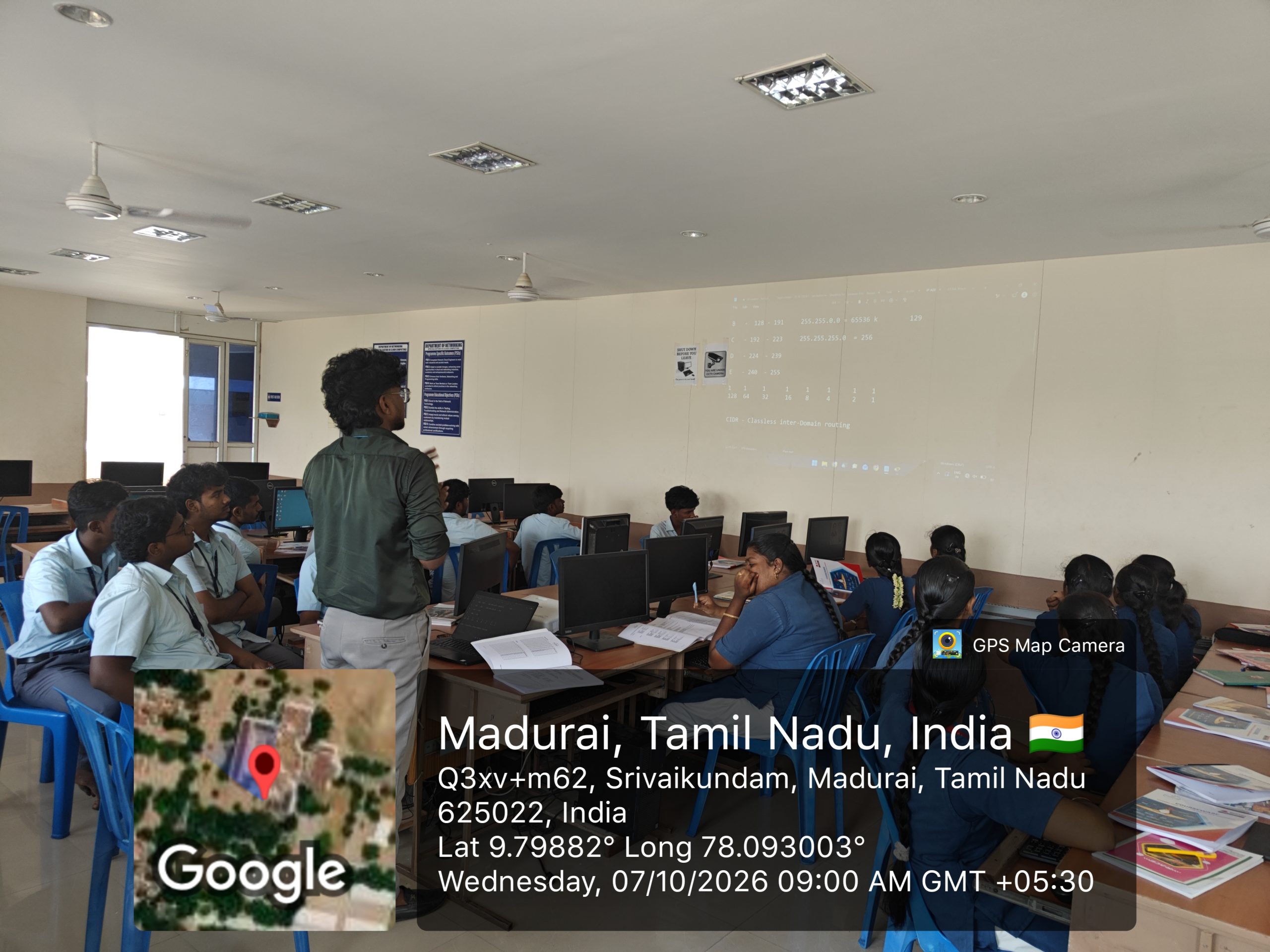
The Department of Networking (CC) organized a five-day Value Added Course on
CCNA for II Year B.Sc. Networking (CC) students from 5th to 9th October 2026 at the
Linux Lab.  The sessions were handled by Mr. Sanjai.I, Technical Trainer from Vectra Technosoft Pvt. Ltd., who provided  industry-oriented training through demonstrations and hands-on activities. The programme aimed to enhance students’ practical knowledge and technical skills in networking concepts, routing, switching, IP addressing, configuration, and troubleshooting.

OSINT based Password Security and Attack Detection- REPORT – VALUE ADDED COURSE

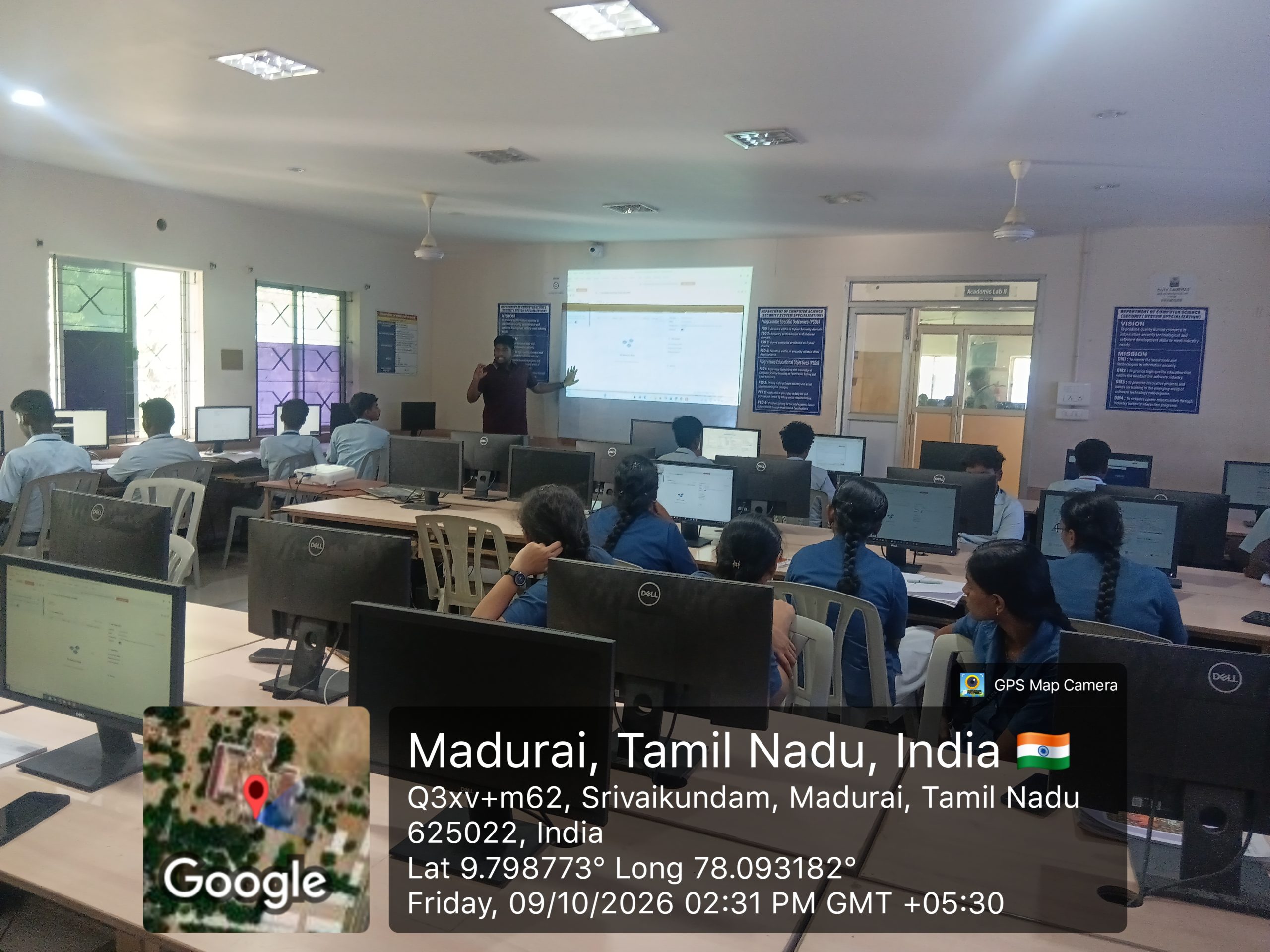
The Department of Computer Science (Security System Specialization) organized a Value Added Course on “OSINT based Password Security and Attack Detection” for the students of II B.Sc. Computer Science (SSS), Batch 2025–2028, during the academic year 2026–2027. The course was conducted to provide
students with practical knowledge and industry-oriented awareness of Open-Source Intelligence (OSINT), password security, and cyber attack detection. The sessions were handled by Mr. GowriShankar Palanisamy, Director, Hackup Technology, who shared his valuable industry experience and expertise with the students.
During the course, students were introduced to the fundamental concepts of OSINT and its importance in cybersecurity. They learned how publicly available information can be collected and analysed to understand digital footprints and identify information that may affect password security. Practical explanations and industry-oriented examples helped students understand the application of OSINT techniques in password security and attack detection. The importance of using strong and secure passwords, protecting sensitive information, identifying suspicious activities, and detecting possible attack indicators was emphasized.
Students gained awareness of how information available through open sources can support cybersecurity analysis and security monitoring. Overall, the Value Added Course was highly informative and beneficial to the students. It enhanced their understanding of OSINT, password security, and attack detection techniques. The interactive sessions and practical industry insights provided valuable exposure to cybersecurity practices, information gathering methods, security awareness, and career opportunities in the cybersecurity domain.

MLOps and DevOps for AI Application Development – VAC REPORT

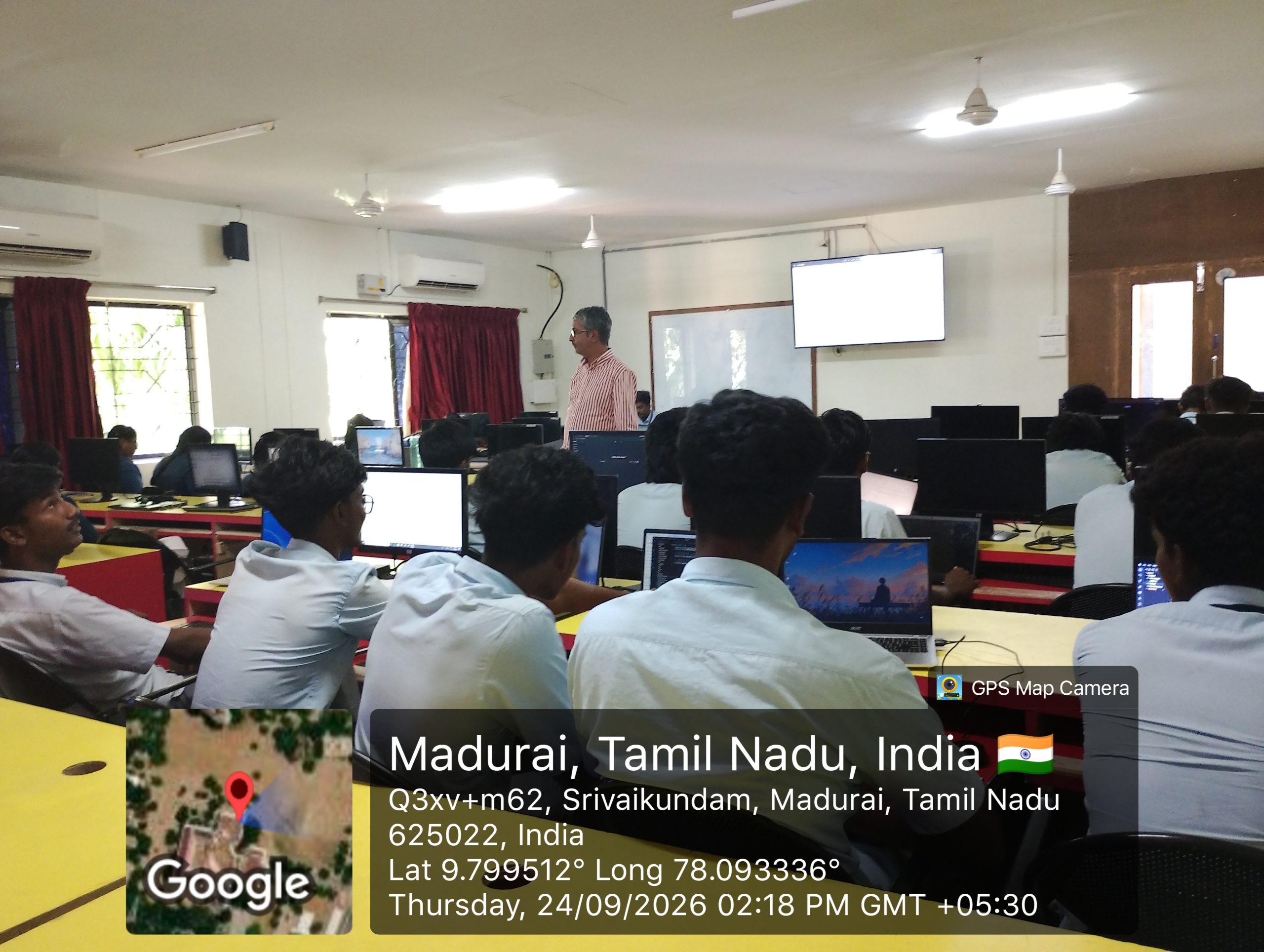
The Department of Computer Science (Data Science and Analytics), Subbalakshmi Lakshmipathy College of Science, organized a five-day Value Added Course titled “MLOps and DevOps for AI Application Development” from 21 to 25 September 2026 at the AI & ML Lab. The programme was
conducted by Mr.Vinod Krishnan, Founder and CEO, Mr.Manikandan, Senior Programmer of V3 Analytics Private Limited, Madurai with a focus on current tools, concepts and industry practices in AI application development and deployment.
The course covered the DevOps lifecycle, collaboration, automation, virtualization and
containerization using Docker, including the creation and management of Docker images and containers.
Students gained an understanding of Kubernetes architecture, Pods, container orchestration, application deployment and scaling.
The sessions also introduced prompt engineering techniques, structured prompting and prompt injection risks. Students developed a Python command-line calculator using different prompting approaches and documented their experiments in Google Colab. Further topics included Large Language Models (LLMs), tokenization, word embeddings, attention mechanisms, self-attention, multi-head attention and causal masking in Transformer architectures.
Students also explored the process of building a small language model from scratch. In addition, the course addressed MLOps concepts, machine learning pipelines, the transition of ML applications from development to production, Kubernetes-based AI/ML deployment and industry expectations regarding programming, machine learning, cloud technologies and problem-solving skills.
The course provided students with practical exposure to DevOps tools, containerization, Kubernetes, prompt engineering, Transformer-based language models and MLOps workflows. It enhanced their understanding of developing, packaging, deploying and managing AI/ML applications and
familiarized them with relevant industry practices, thereby supporting their preparation for industry- oriented roles.
Totally 39 students attended the Value Added Course and get benefitted.

Foundational AI/ML Use Cases- VALUE ADDED COURSE (VAC) – REPORT

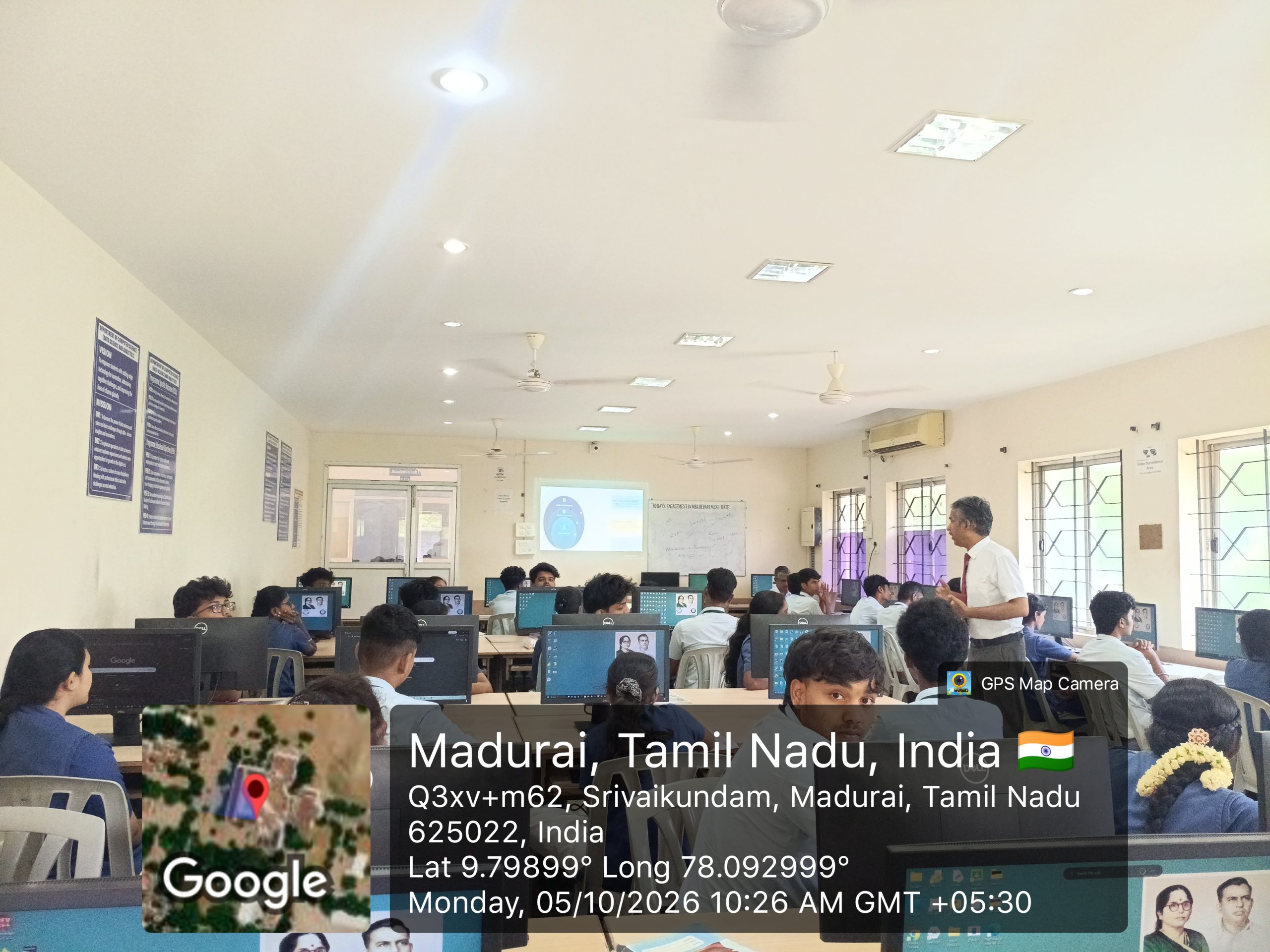
The Department of Computer Science (Data Science and Analytics), Subbalakshmi Lakshmipathy College of Science, organized a Value Added Course titled “Foundational AI/ML Use Cases” for the students of II B.Sc CS(DSA) to strengthen their understanding of Machine Learning algorithms and model evaluation techniques through practical, application-oriented learning.
The course focused on the fundamentals of supervised and unsupervised learning, with an emphasis on understanding and applying appropriate Machine Learning algorithms to real-world problems. The topics covered included regression for predictive analytics, classification algorithms such as Logistic Regression, Decision Trees and Naive Bayes, and Convolutional Neural Networks (CNNs) for image
classification and handwritten digit recognition. Students were also introduced to clustering and recommendation system concepts, sentiment analysis, face detection using OpenCV, and predictive modelling using sample datasets from different application domains.
A key component of the course was the evaluation of Machine Learning models using appropriate performance metrics. Students were introduced to the importance of assessing model performance, comparing algorithm outputs and selecting suitable evaluation measures for regression and classification tasks. The course also emphasized data cleaning, preprocessing, feature preparation and visualization as
essential steps in building reliable Machine Learning models.
The course enabled students to develop a foundational understanding of Machine Learning algorithms and their practical applications. Students gained awareness of model evaluation metrics and the importance of measuring prediction performance, comparing algorithms and selecting suitable models for specific problems. The programme provided a foundation for further learning and project development in
Artificial Intelligence and Machine Learning.
Totally 39 students attended the Value Added Course and get benefitted.

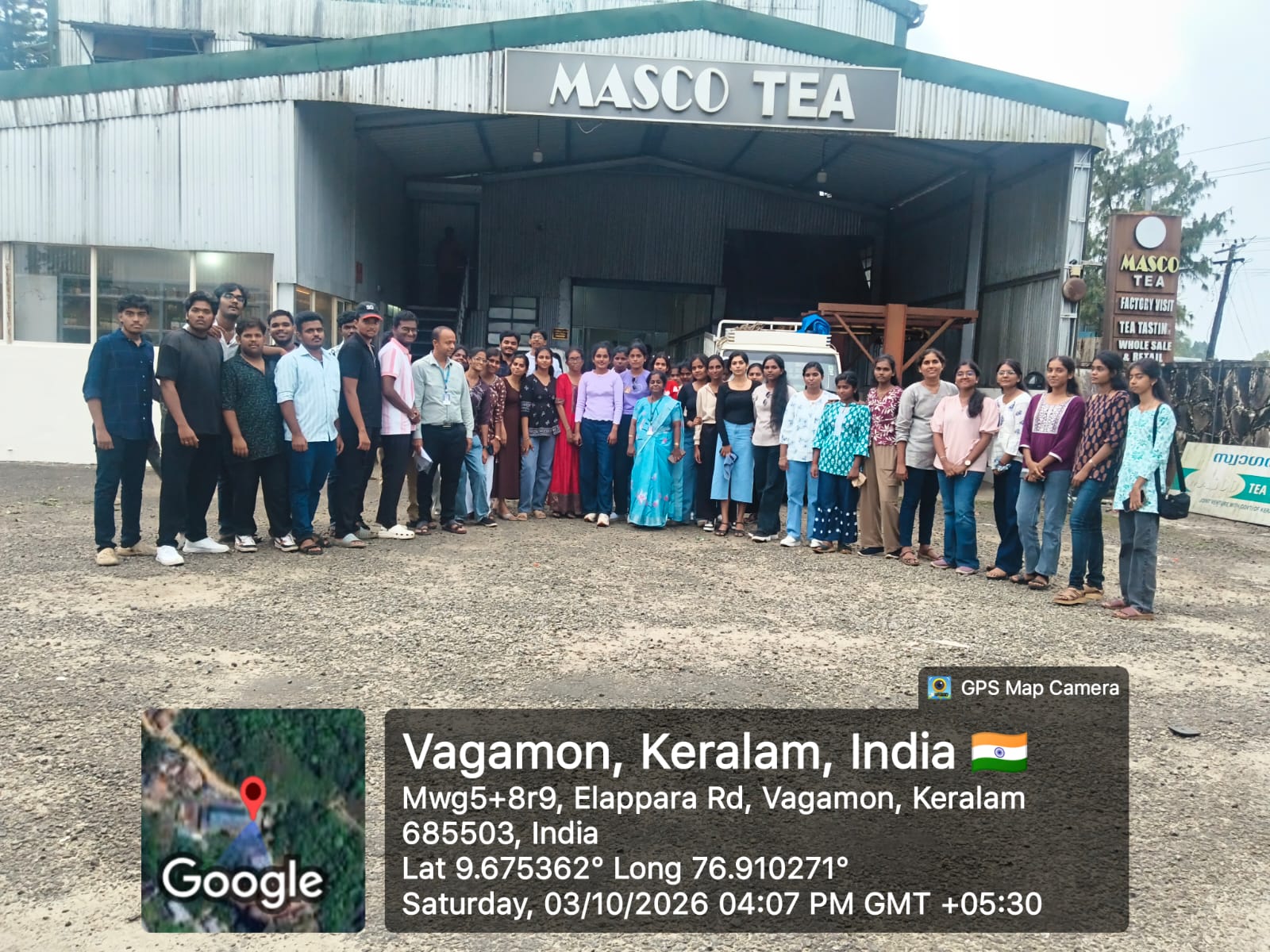
INDUSTRIAL VISIT TO COCHIN & VAGAMON Masco Tea Factory-02.10.2026 to 03.10.20206

The Department of Commerce (Banking and Insurance) and Computer Application &FinTech of Subbalakshmi Lakshmipathy College of Science organized an Industrial Visit to Cochin and the Masco Tea Factory, Vagamon, from 02 October 2026 (Friday) to 03 October 2026 (Saturday). The visit was organized to provide students with an opportunity to explore the places, culture, and food of the neighbouring state.
During the visit, the students had the opportunity to explore various tourist attractions
in and around Vagamon and gain practical knowledge about commercial activities by
interacting with local people and observing the business environment. This experiential learning experience helped the students understand the potential of tourism-related businesses and encouraged them to develop innovative ideas and consider starting entrepreneurial ventures in tourist destinations in the future.
Outcome of the Visit
 The students gained practical knowledge about the tea processing and production
activities at Masco Tea Factory, Vagamon.
 They developed an understanding of the commercial and business opportunities
associated with tourism.
 The visit helped students understand the importance of local culture, food, and
traditional business practices.
 Students gained exposure to the role of small businesses and local entrepreneurs in
supporting the tourism industry.
 The interaction with local people enhanced their communication, interpersonal, and observational skills.
 The experiential learning experience encouraged students to identify new
entrepreneurial and start-up opportunities in tourist destinations.
 The visit helped students connect their classroom learning with real-world business
practices.